
Traveling is about more than ticking off a list of sights—it’s about truly connecting with a place and its people.
To get to the heart of a destination, it’s important to go beyond the surface and immerse yourself in the local culture. Here’s how you can do that, without feeling like just another tourist.

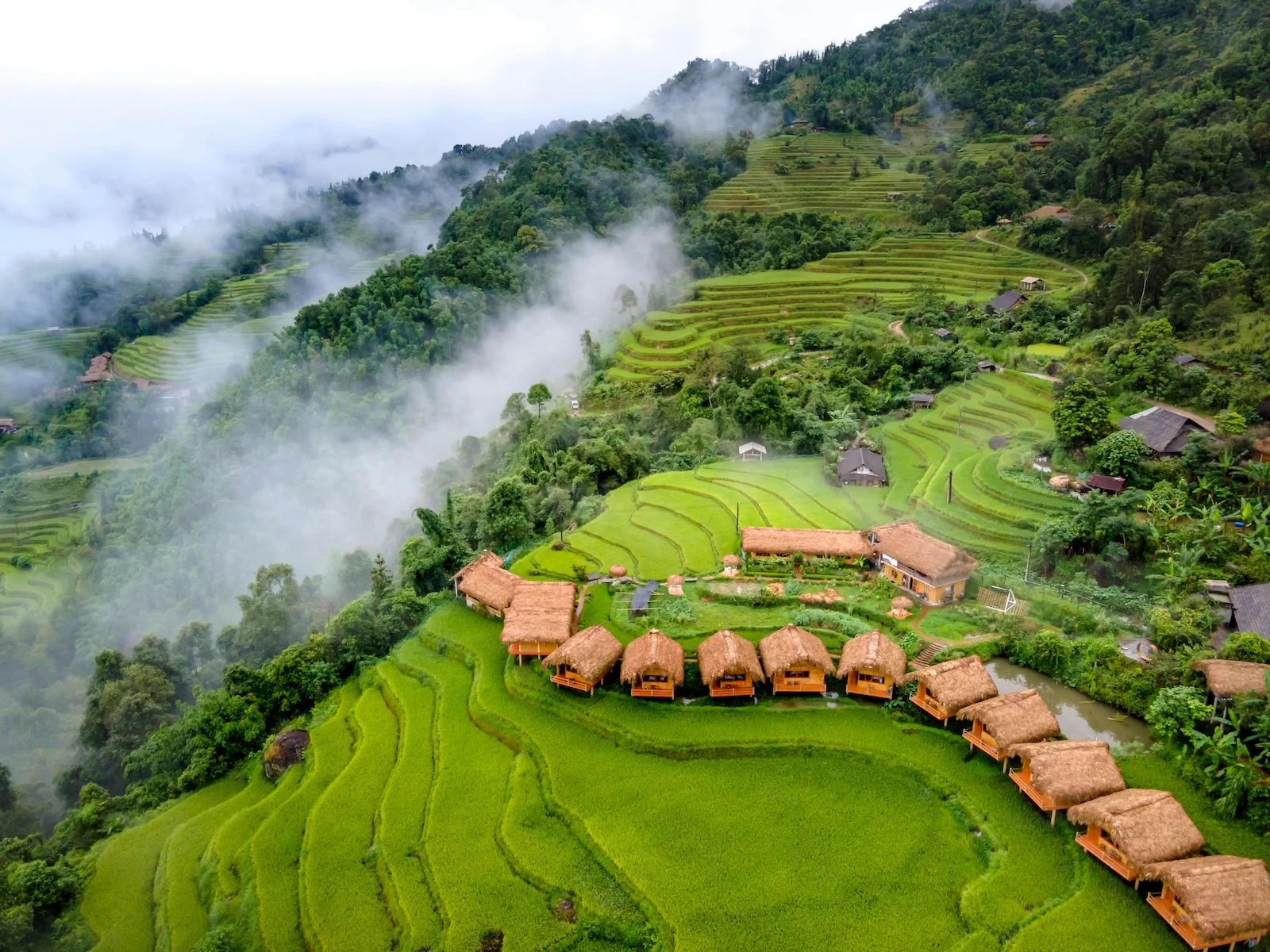
Image Credit: Pexels / Quang Nguyen Vinh
1. Stay at Local Guesthouses or Family-Run Accommodations
Instead of booking a large hotel chain, try to find local guesthouses or family-run accommodations. These places often have the personal touch that gives you a deeper connection to the place. They are usually cheaper than international hotel chains and can offer you tips and insights into the local culture.
Where to find them:
- Booking.com and Hostelworld have many options for guesthouses and small, locally owned hotels.
- In countries like Thailand or Vietnam, many guesthouses are found through local tourism offices or word of mouth.
- In Europe, look for B&Bs or locally owned pensions that offer a more intimate and personal experience.
Are they safe?
- Yes, as long as you do your research. Read reviews from past guests, check the safety and location of the accommodation on Google Maps, and make sure the property has appropriate security measures like safes and locks.
2. Eat Where Locals Eat
Food is hands-down one of the best ways to experience local culture. When I visited Bangkok, I skipped the tourist restaurants and headed straight to the street food stalls where the locals line up. One of my best meals was at a small stall in Chinatown, where I had pad Thai cooked to order by a woman who had been running the stall for over 30 years. There’s a certain magic about eating where the locals eat, especially when you’re talking to the people who make the food with so much pride.
What to do:
- Ask your host or locals for recommendations on where they eat. For instance, when in Mexico City, skip the tourist spots and head to neighborhood markets or street food stalls where you can sample tacos al pastor or elote (Mexican street corn) from local vendors.
- You can also use apps like TheFork, Yelp, or TripAdvisor to find highly rated, low-key restaurants that locals frequent.
- In Thailand, Bangkok’s Chinatown is full of incredible food stalls that you won’t see in the guidebooks. Follow the crowds—locals know best.
Do not settle for tourist trap restaurants with menus in multiple languages. Trust me, the best food is often hidden in plain sight in quieter streets or local neighborhoods.
3. Get Involved in Local Workshops or Experiences
One of the best ways to experience local culture is by learning about it firsthand. Sign up for a cooking class, craft workshop, or a cultural performance. This way, you’ll not only gain a new skill but also gain a deeper understanding of local traditions.
What to do:
- In Italy, book a pasta-making class with a local chef. You’ll learn how to make authentic pasta and, in the process, get insight into Italy’s rich culinary traditions.
- In Japan, try a tea ceremony to learn about the history and precision behind this ancient ritual. Many teahouses offer one-on-one experiences.
- In Morocco, there are pottery workshops in Fes where you can try your hand at traditional crafts. Not only do you get a souvenir, but you also get a deep dive into the local artisan community.
Where to find these experiences:
- Use platforms like Viator or GetYourGuide to book local tours and workshops directly from local providers.
- Visit local tourism offices once you arrive—they often have brochures or recommendations for small group classes and cultural events that aren’t advertised online.
4. Visit Local Markets
The market is the heart of any community. It’s where locals gather, buy, and sell. To truly experience a culture, spend some time wandering through a market. You’ll see the local produce, crafts, and goods while getting a feel for daily life.
What to do:
- In Bangkok, head to the Chatuchak Weekend Market, a sprawling space where you can find everything from vintage clothes to local crafts and street food. Chat with the vendors to learn about the ingredients and the stories behind their products.
- In Marrakech, Jemaa el-Fnaa square is a bustling marketplace where you can shop for spices, handicrafts, and learn about local culinary techniques.
- In Barcelona, skip La Boqueria and visit Mercat de Sant Antoni for a more local experience, where you’ll find fresh, seasonal produce and local cheeses.
Tip: Bring a local guide or do some research to understand the significance of certain foods or items. Markets aren’t just for shopping—they’re an opportunity to learn about the area’s food culture, traditions, and even its history.
5. Walk or Take Public Transportation
One of the easiest and most immersive ways to explore a city is on foot or by using public transport. Not only does this let you explore the more hidden corners of a city, but it’s also a great way to experience the day-to-day life of its residents. In New York, for instance, taking the subway will give you a feel for how the city moves, while walking tours through Paris can show you the quieter, less touristy neighborhoods. Public transport is often where the real magic of a city happens, allowing you to observe how people live, work, and interact.
When you walk or use local transport, you get to see the small details—street art, neighborhood markets, local shops—that give a city its personality. It’s like experiencing a place through the eyes of someone who’s lived there for years.
Immersing Yourself in Local Culture
Immersing yourself in the local culture is one of the most rewarding parts of traveling. It’s about connecting with people, learning from them, and understanding a place on a deeper level. So, next time you’re exploring a new destination, think beyond the usual tourist route and see a place the way the locals do. It’s those experiences, the ones that are a little less polished and more authentic, that will leave you with stories you’ll never forget.
Feature Image Credit: Pexels / Quang Nguyen Vinh.
For transparency, this content was partly developed with AI assistance and carefully curated by an experienced editor to be informative and ensure accuracy.
Tips for Trip Success
Book Your Flight
Find an inexpensive flight by using Kayak, a favorite of ours because it regularly returns less expensive flight options from a variety of airlines.
Book Your Hotel or Special Accommodation
We are big fans of Booking.com. We like their review system and photos. If we want to see more reviews and additional booking options, we go to Expedia.
You Need Travel Insurance!
Good travel insurance means having total peace of mind. Travel insurance protects you when your medical insurance often will not and better than what you get from your credit card. It will provide comprehensive coverage should you need medical treatment or return to the United States, compensation for trip interruption, baggage loss, and other situations.Find the Perfect Insurance Plan for Your Trip
PassingThru is a participant in the Amazon Services LLC Associates Program. As an Amazon Associate I earn from qualifying purchases.
To view PassingThru’s privacy policy, click here.
