
When you really want to understand the place you’re visiting, you aren’t going to do the usual focusing on buildings, historical places, and tourist attractions. Instead, you’ll focus on the people, the residents, their pace, and their daily rituals. If you don’t want to feel like the standard tourist, you want to get caught in that feeling of ‘belonging’, at least temporarily, while you’re there.
If you want to feel like a local while traveling abroad, here are five advice you should follow to blend with locals in any destination.
1. Be in Neighborhoods, Not Hotel Districts
Chain hotels are usually placed around major attractions or business districts. But if you want to see daily life, get your accommodations in a residential neighborhood. These neighborhoods reveal how the locals live: when the bakery opens for business, where the school children go after school, or how the evenings are spent in the local park.
Try renting a room in a domestic home, stay in a guesthouse in a quiet alley, or book a humble apartment in some middle-class district.
These places don’t have lobby lounges, but they offer something much better: an authentic environment to observe how the city breathes in and out.
2. Skip the Sights (At Least Temporarily)

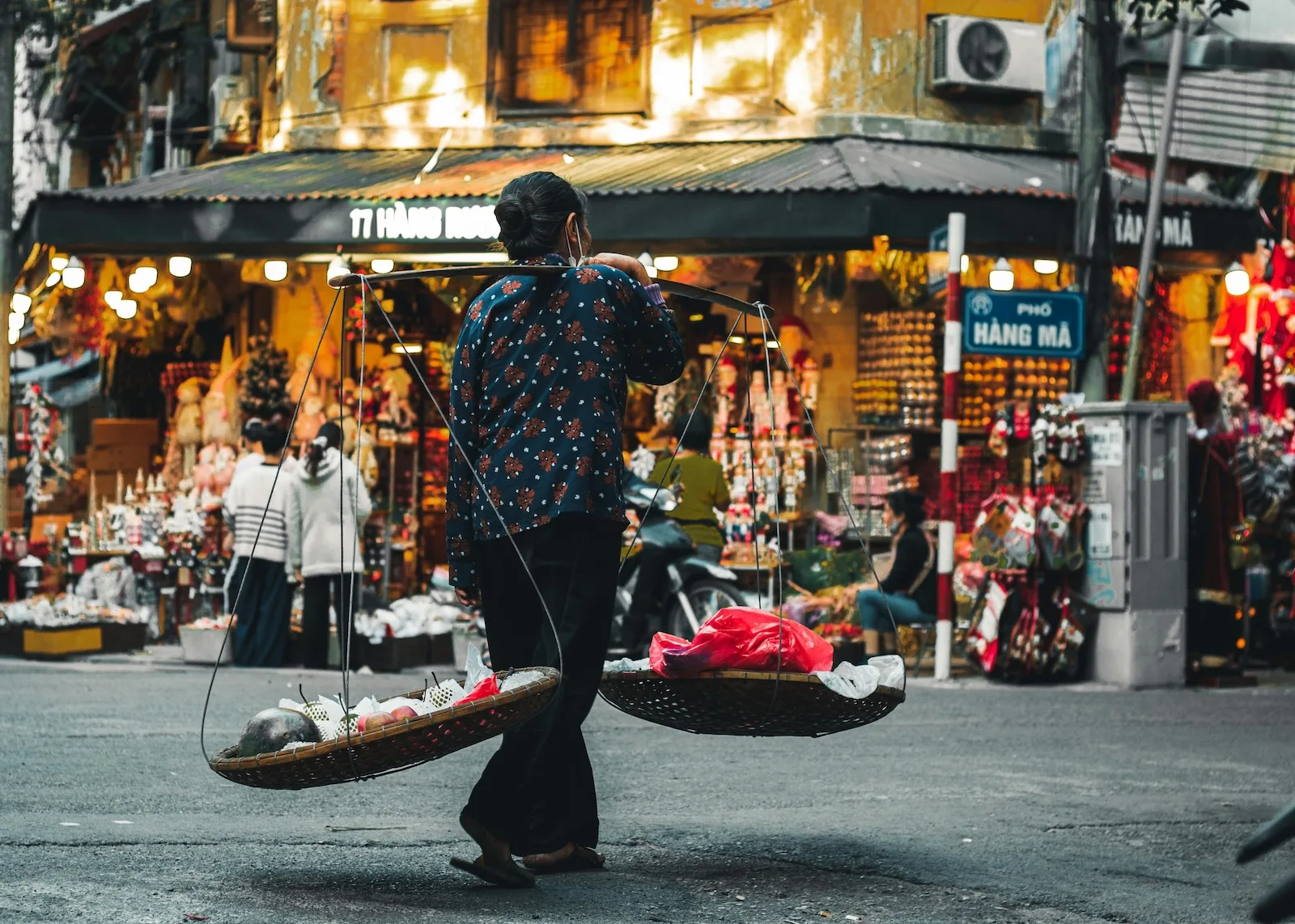
Image Credit: Pexels
I you want to really know a place, you’ll focus on landmarks. And that’s just the way it has been for so long. But for those who wanted to take travelling and the gained experiences to the next level, they took a bit different approach. Instead of jumping from the first major site to the next one, spend time exploring sites not included in any guidebook.
Sit in a local piazza for a bit, browse a second-hand bookshop, stumble into a local café where no one speaks your language – all these things take you away from that standard tourist experience. And that’s a good thing.
In cultural cities, this kind of trip opens doors that tourists typically ignore. For example, people take private tours led by locals, like walking tours that wind through courtyards, craft stores, or historically significant side streets. These experiences create a more intimate relationship with a city and its people.
For example, private tours in Seville offer this sort of access, which allows visitors a residents ‘ point of view of the city. Essentially, regardless of your destination, always opt for private or curated tours. Then you can truly experience the city, not just learn about it.
3. Learn Basic Phrases of the Local Language
Even a bit of effort goes a long way. Plain hello, courtesy phrases, and the ability to question or express gratitude can show your respect and get doors opened. Locals are much more likely to engage with you if you try to speak their language. No one expects you to speak it fluently or perfectly, it’s even more simpatic when it’s clumsy.
Phrasebooks and apps make it easy to learn the basics before the trip. Start by focusing on these five essentials:
- Hello / Good morning / Good evening
- Please and thank you
- How much does this cost?
- Where is the…?
- I don’t speak [language] very well
Go beyond the words and listen for tone and gestures. Watch how people interact in markets, on public transportation, or at restaurants. You’ll notice that body language and cultural habits are just as important as vocabulary.
4. Eat Where the Crowds Don’t
One of the fastest ways to become local is through food, but only if you avoid areas that serve tourists. Avoid restaurants with six-language menus. Instead, walk a few blocks off the main sites and hunt for small restaurants that are full of locals.
Three easy ways to find authentic local food include:
- Look at the locals. If a place is crowded with locals during lunch, then it is a good place.
- Go small. Street stalls, corner pubs, and homey taverns usually have the most authentic dishes.
- Watch the timing. Mealtime in most nations is not like your usual.
5. Take Part in Everyday Life

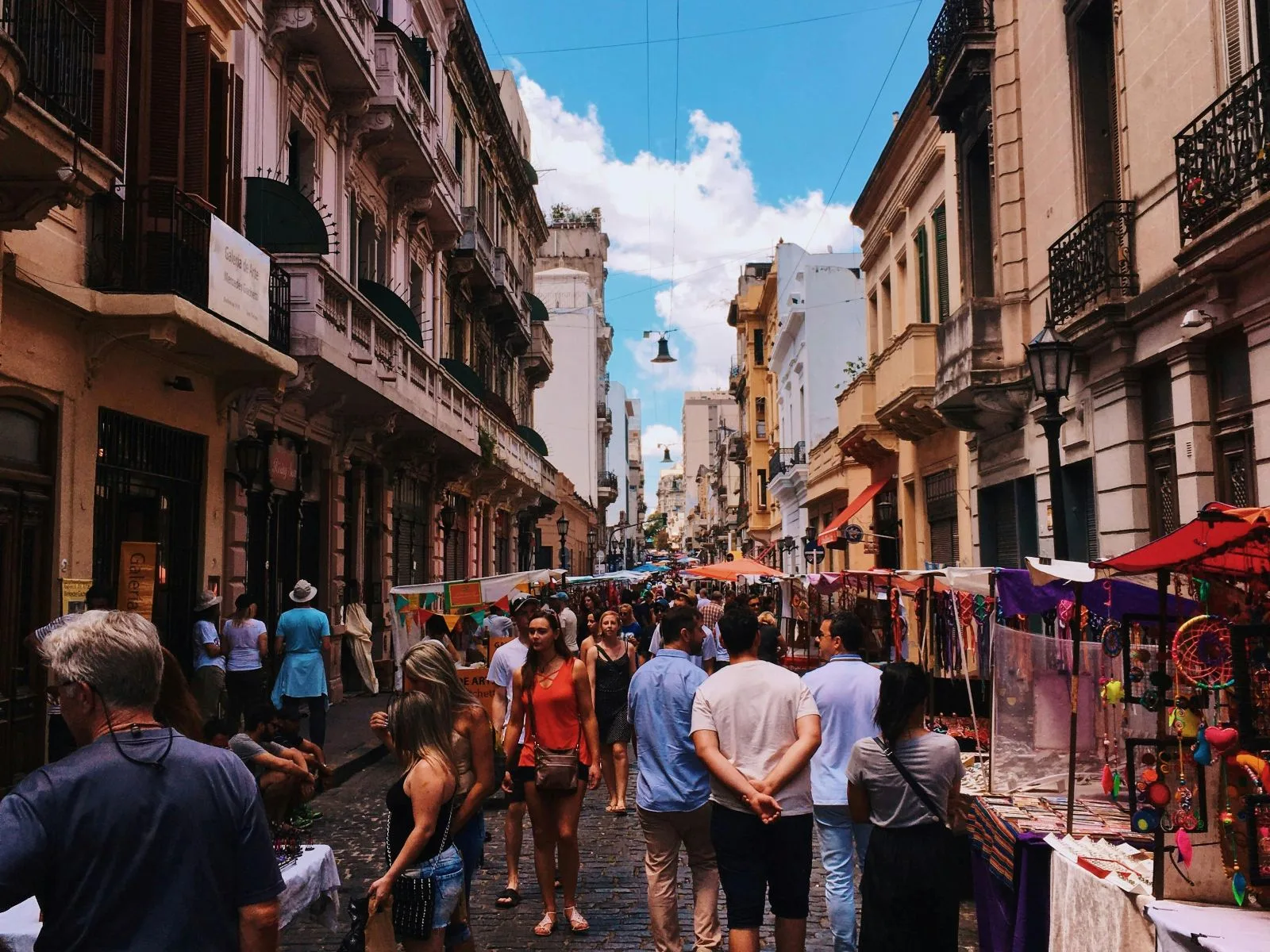
Image Credit: Pexels
Tourists rush. Residents do not. Slow down, if you truly want to see a new city like locals do. Sit in a park and watch. Visit a public library. Visit a neighborhood gym or enroll in a local class like language, cooking, dance, or even ceramics.
This change in pace can also contribute to your relaxation. It changes the manner in which you perceive and interact. Without a strict itinerary, you can pay attention to detail: morning routines, evening street games, fragrance of fresh laundry hung on an open balcony.
You may also build your own routine while learning local customs. Wake up early and go to a local bakery at opening time. These habits bind you closer to daily life.
Conclusion
Travel is more rewarding when you break through the tourism and begin living the life of where you are going. Choosing where you live, what you eat, what you view, and with whom you associate all help to shape your experience. The small choices enable you to pick up the beat of a city, rather than its landmarks.
The goal isn’t to fit in entirely, of course it isn’t; it’s to be open-minded, respectful, and to be curious. Just be a human being, and you’ll do fine!
The post 5 Ways to Feel Like a Local When You Travel Abroad first appeared on Passing Thru.
Featured Image Credit: Pexels
Tips for Trip Success
Book Your Flight
Find an inexpensive flight by using Kayak, a favorite of ours because it regularly returns less expensive flight options from a variety of airlines.
Book Your Hotel or Special Accommodation
We are big fans of Booking.com. We like their review system and photos. If we want to see more reviews and additional booking options, we go to Expedia.
You Need Travel Insurance!
Good travel insurance means having total peace of mind. Travel insurance protects you when your medical insurance often will not and better than what you get from your credit card. It will provide comprehensive coverage should you need medical treatment or return to the United States, compensation for trip interruption, baggage loss, and other situations.Find the Perfect Insurance Plan for Your Trip
PassingThru is a participant in the Amazon Services LLC Associates Program. As an Amazon Associate I earn from qualifying purchases.
To view PassingThru’s privacy policy, click here.
