


Image Credit: Pexels
Ever booked a cheap flight, felt like a genius, and then watched your bank account slowly wither from all the other expenses? Planning a trip is easy. Managing what it actually costs—before it spirals out—takes more work than most people expect. Between inflation, shrinking airline perks, and service fees baked into every click, travel doesn’t just eat money. It nibbles at it constantly, like a squirrel with a debit card.
In this blog, we will share how to control travel costs before you leave home, so you don’t return broke, panicked, or pretending you “don’t check your accounts while on vacation.”
Budgeting Isn’t Just About Math—It’s About Timing
A lot of travel advice gets stuck in numbers: set a budget, track expenses, pack snacks. But the real game starts earlier. The best money-saving moves happen weeks or even months before your suitcase comes out of the closet. Booking early doesn’t just get you better deals; it buys you time to think.
For instance, flight prices are notoriously inconsistent. They fluctuate by the hour, manipulated by algorithms that know you’ve checked the route twice. Using private browsing or fare alerts helps, but what saves real money is flexibility. Leave mid-week. Fly early or late. Use nearby airports if possible. Airlines charge for convenience, and shifting your schedule even slightly can cut your fare in half.
The same goes for lodging. Hotels are predictable but not always cost-effective. Short-term rentals can be a better deal—if you’re not booking last-minute. And don’t just compare price per night. Add up cleaning fees, taxes, and deposits. Suddenly that “deal” becomes less appealing than a reliable three-star hotel with breakfast and no surprises.
Don’t Let Funding Sneak Up on You
Trips don’t break budgets all at once. They chip away at them in quiet ways: pre-trip purchases, upgraded luggage, or new outfits “for the weather.” People tend to treat vacations like temporary alternate realities where normal financial rules don’t apply. But the bills still arrive back in regular life.
A newer trend in travel is the rise of vacation loans. These are personal loans designed to cover travel costs—flights, hotels, excursions—before you leave. When used intentionally, they offer a structured way to fund a trip, especially for people with stable income but limited savings. Unlike credit cards, they often come with fixed interest and set repayment terms, which can make them easier to plan around.
Plan Around the Expensive Days


Image Credit: Pexels
Travel isn’t just costly in general—it’s spiky. There are high-cost days that blow up your budget and low-cost windows that give you breathing room. Know the rhythm of where you’re going. If it’s a beach town, prices skyrocket on weekends. If it’s a ski resort, holidays are a trap. Planning your trip around off-peak times cuts both prices and crowds.
Even inside your trip, costs shift. Mondays might mean fewer restaurant deals. Thursdays might be ideal for museum discounts. Build your itinerary around local pricing quirks instead of squeezing them in last minute.
Transportation at your destination is another blind spot. Rental car prices remain stubbornly high, and ride-share costs have climbed too. Research public transit before you go. Many cities offer tourist cards that cover buses, trains, and entry to major attractions. If you’ll be walking a lot, pack for that. Replacing bad shoes abroad costs more than just your ankles.
Stop Letting Food Eat the Budget
People love talking about food when they travel—until they see what they spent on it. Meals add up fast. And the mistake most travelers make is trying to eat like locals while thinking like tourists.
Start by understanding that not every meal has to be a highlight. Pick a few food experiences to splurge on, and treat the rest as sustenance. Grocery stores and corner shops often have decent ready-to-eat options, especially in Europe and Asia. Breakfast can be simple. Coffee doesn’t have to come from a barista every time.
If your lodging has a kitchen, use it. A few groceries can save you from overpriced airport food and random $18 sandwiches. Plus, you can try local ingredients on your own terms. It’s not about being cheap. It’s about redirecting money toward what actually matters—whether that’s a memorable dinner or an activity you wouldn’t afford otherwise.
Prepay What You Can—But Only What’s Refundable
Some costs are cheaper in advance. Attraction tickets, city passes, and event bookings often come with discounts for early birds. Just make sure they’re refundable. Travel plans change, weather cancels tours, and jet lag ruins ambition. Lock in the value but leave room for adjustment.
Apps and platforms are getting better at showing which bookings are flexible. Use that. And don’t assume everything needs to be planned. Part of traveling is leaving space for detours, rest, or random opportunities. Just don’t leave your whole budget up to impulse buys.
Foreign Fees Still Exist, and They Add Up

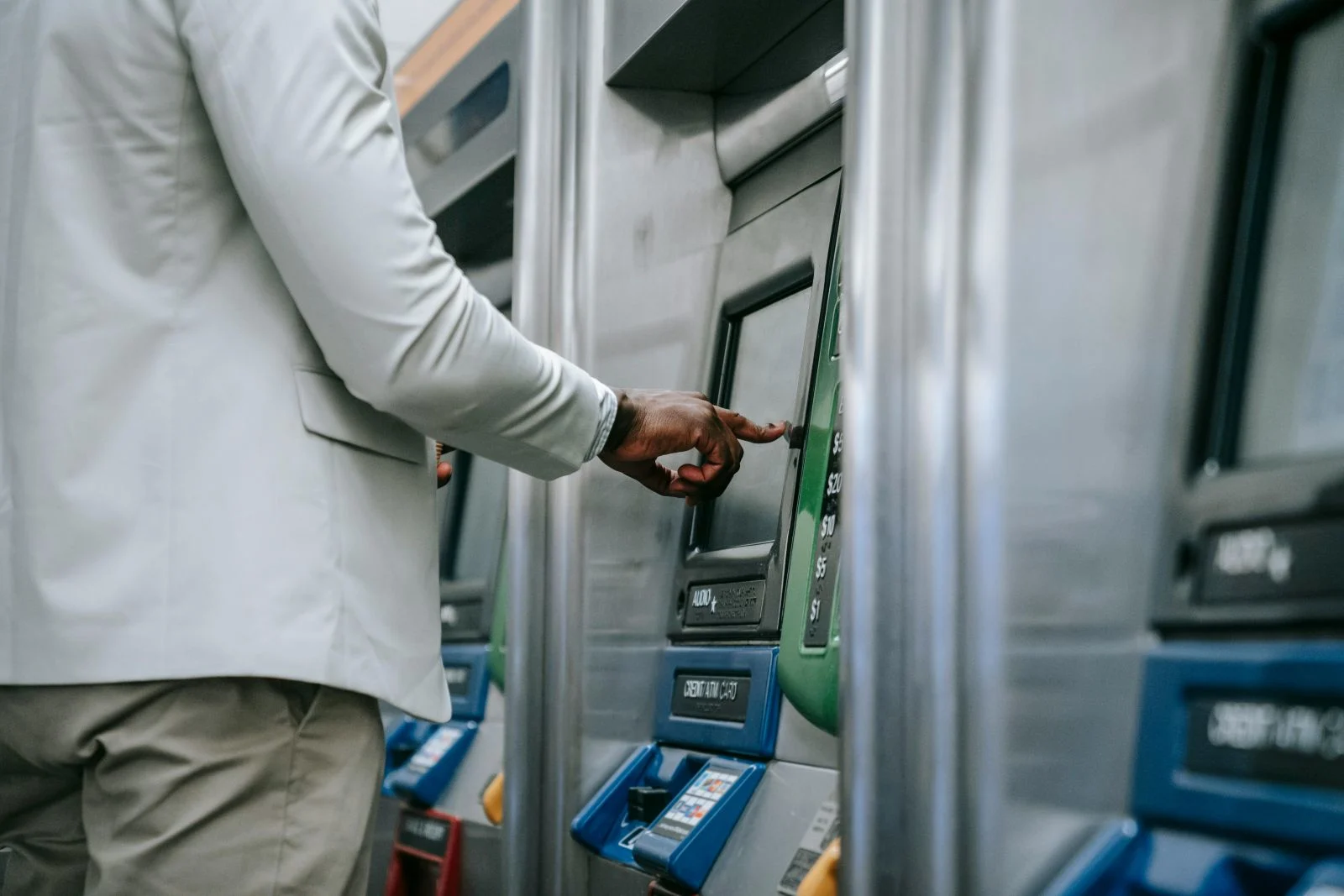
Image Credit: Pexels
Even in a world of global fintech, foreign transaction fees haven’t gone extinct. Some credit cards and banks still take 2–3% of every international charge. Over a week, that’s not small. Before you travel, call your bank. Ask about fees, withdrawal limits, and partnerships with international ATMs.
Also, make sure your cards won’t get flagged. Few things derail a trip like trying to buy train tickets while your bank blocks the transaction for “unusual activity.” Setting up travel alerts, or using cards that don’t require them, can avoid that drama entirely.
Cash still matters in many countries. Don’t wait to convert at the airport unless you like bad rates. Order currency ahead through your bank or withdraw locally in larger amounts to avoid multiple fees.
Back-Up Plans Are Budget Protection
Every trip involves variables—missed connections, delayed baggage, last-minute schedule changes. Planning for setbacks isn’t pessimism, it’s protection. Keep digital and physical copies of reservations. Know your airline’s cancellation and delay policies. Travel insurance, while not exciting, can pay for itself with one canceled flight or lost bag.
More importantly, budget for the unexpected. Set aside a small “trip buffer” fund. That could be for taxis when your train gets canceled, a new outfit when weather throws a curveball, or a medical bill from bad shellfish. You may not use it. But the peace of mind alone is worth the extra line in your spreadsheet.
Planning travel with intention doesn’t kill the fun. It protects it. You get to enjoy the experience instead of rationing joy like it’s a tube of toothpaste. You leave and return with your finances intact, your memories richer, and your bank account not begging for mercy. That’s not just smart—it’s sustainable.
The post Smart Ways to Manage Travel Costs Before You Leave first appeared on Passing Thru.
Featured Image Credit: Pexels
Tips for Trip Success
Book Your Flight
Find an inexpensive flight by using Kayak, a favorite of ours because it regularly returns less expensive flight options from a variety of airlines.
Book Your Hotel or Special Accommodation
We are big fans of Booking.com. We like their review system and photos. If we want to see more reviews and additional booking options, we go to Expedia.
You Need Travel Insurance!
Good travel insurance means having total peace of mind. Travel insurance protects you when your medical insurance often will not and better than what you get from your credit card. It will provide comprehensive coverage should you need medical treatment or return to the United States, compensation for trip interruption, baggage loss, and other situations.Find the Perfect Insurance Plan for Your Trip
PassingThru is a participant in the Amazon Services LLC Associates Program. As an Amazon Associate I earn from qualifying purchases.
To view PassingThru’s privacy policy, click here.
