
Let’s face it: Cruises aren’t for everyone. If you’re like me, the thought of a floating hotel filled with thousands of people and a packed buffet line isn’t exactly appealing.
But here’s the thing: Cruises have evolved, and there are actually some great options that cater to travelers who want to see the world without feeling like they’re on a massive resort ship.


Image Credit: Pexels / julie aagaard
I’m not here to convince you to hop on one of those giant cruise liners, but I’ll admit that some smaller ships and more unique itineraries are worth considering. Here are a few alternatives that won’t make you feel like you’re trapped on a floating city—and that still offer the convenience of unpacking once while seeing multiple destinations.
Smaller Ships, More Intimate Experiences
If the thought of being surrounded by thousands of passengers sounds a bit too overwhelming, consider smaller cruise ships. These ships offer a more intimate experience with fewer people and a focus on personalized service. Think of it as a boutique hotel on the water rather than a floating theme park.

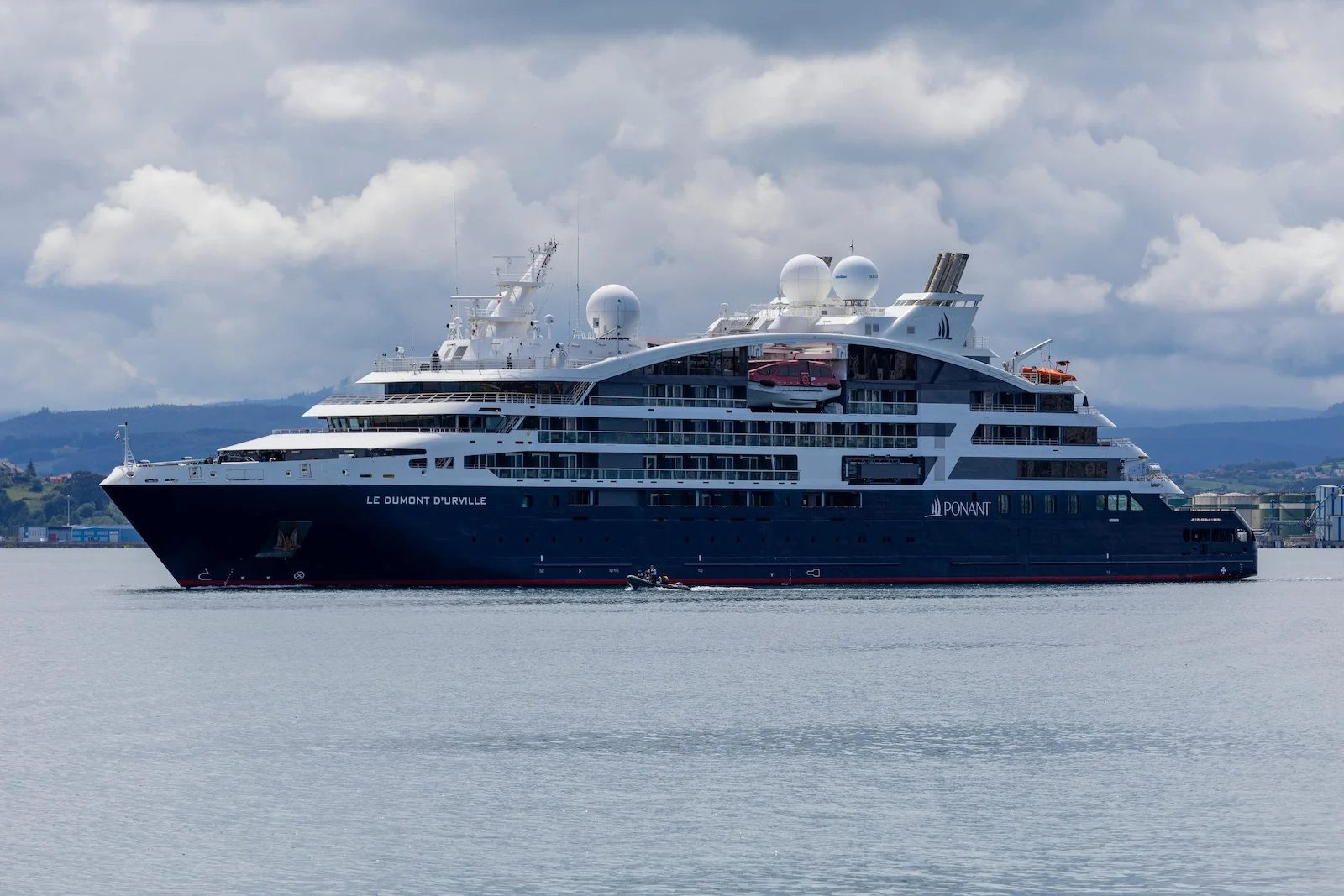
Image Credit: Pexels / Frederick Adegoke Snr.
For example:
- Ponant’s Explorer ships carry around 150-200 passengers, far fewer than the 3,000-5,000 you’d find on a large cruise ship. The result? More space, a more relaxed atmosphere, and the ability to dock in smaller ports.
- Viking Ocean Cruises also operates smaller vessels, usually with 900-1,000 passengers, providing a refined and quieter experience while still offering all the luxuries you’d expect.
- SeaDream Yacht Club takes it a step further, with just 112 passengers on each ship, providing an ultra-luxurious, almost private experience.
Companies like Viking Ocean Cruises, SeaDream Yacht Club, and Ponant operate smaller ships that focus on comfort and quieter, more refined experiences. These ships visit less-crowded ports and focus on cultural immersion rather than just beach stops and sightseeing excursions.
For example, Ponant’s Explorer ships take you to remote, lesser-known destinations in the Mediterranean, South America, and Antarctica. Smaller boats mean you can dock in places that bigger ships can’t reach, so you’ll get a more authentic, off-the-beaten-path experience.
The lower number of passengers means you’re not just a face in a crowd, and the experience feels much more personal. You’ll enjoy intimate dining with more space, more time ashore at smaller ports, and a more relaxed onboard vibe.
The Itinerary Makes All the Difference

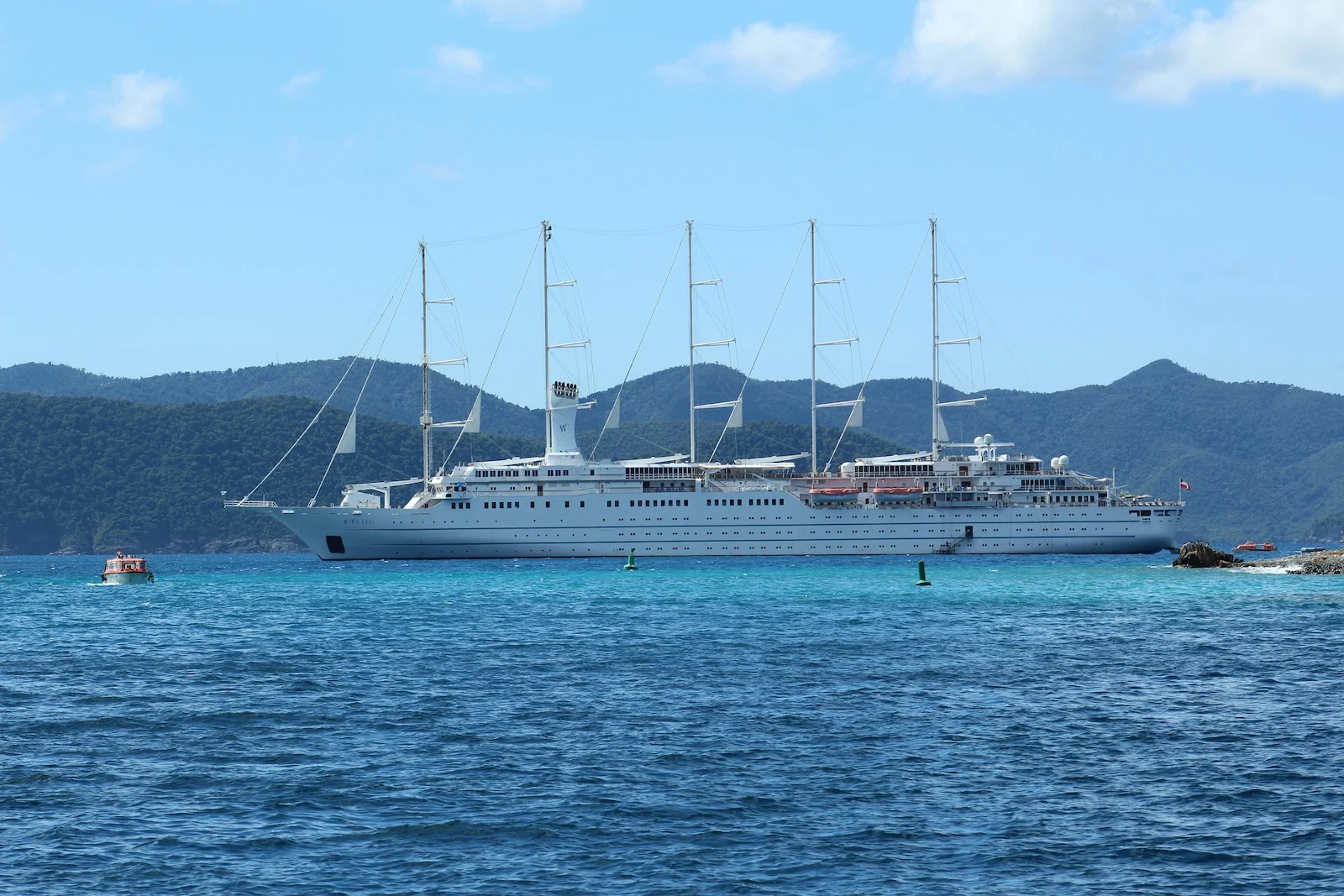
Image Credit: Pexels / Ernie Marquez
One of the biggest benefits of cruises is the ability to visit multiple destinations without having to unpack constantly. But let’s face it: Not all itineraries are created equal. If you’re going to do it, why not choose an itinerary that focuses on immersive on-land experiences instead of the usual tourist traps?
Look for cruises that offer extended shore excursions that let you explore at a deeper level—think multi-day stays in a single location, guided tours that introduce you to local culture, and the chance to interact with locals. For example, UnCruise Adventures focuses on small ships with itineraries that prioritize active exploration—like hiking, kayaking, or wildlife watching—in places like the Alaskan wilderness or the Galápagos Islands.
The Adriatic is another fantastic example of a region where you can experience less crowded coastal towns and islands. Instead of the typical stops like Dubrovnik, consider itineraries that stop in places like Kotor, Montenegro, or Korcula, Croatia. These locations offer richer cultural experiences, fewer crowds, and still allow for easy access to amazing food and history.
Cruise Stereotypes: Let’s Talk About Them
I get it, there are plenty of stereotypes around cruises—especially about the food, and the dreaded outbreaks. It’s true that large ships often get bad press, whether it’s for food quality, overcrowding, or those infamous disease outbreaks that make the news. But here’s the thing: Smaller ships, with their lower passenger counts, are less likely to be impacted by those issues. Here’s why:
-
Food: On large cruise ships, you often feel like you’re being herded to the buffet line or crammed into a crowded dining room. The meals can be mass-produced, and quality can suffer. With smaller ships, restaurants are often more intimate, with personalized service, and menu options crafted with fresh, local ingredients. You won’t be stuck with generic cruise food.
-
Outbreaks: Cruise ships in the news for illness outbreaks usually involve massive ships where the number of people in close proximity can make it easier for illnesses to spread. On smaller ships, the limited number of passengers, coupled with a focus on hygiene and health protocols, makes it less likely that you’ll encounter such issues.
Sailing to Unique Destinations
If the idea of a cruise to the typical tourist spots isn’t your thing, there are plenty of options that sail to unique, less-visited places. Think Norwegian fjords, Arctic exploration, or hidden Mediterranean coves. These types of itineraries will take you to places you might not have considered before, often with smaller ships that prioritize natural beauty over commercialized shore stops.
Aurora Expeditions offers expeditions that focus on remote locations like the Antarctic Peninsula, the Canadian Arctic, and the Patagonian coast—places where you can experience some of the most stunning landscapes on Earth, but without the crowds of a traditional cruise. Plus, you’ll be with a group of like-minded travelers looking for a true adventure, not just a lounge by the pool.
Even closer to home, consider small ship cruises to the Caribbean. Companies like Windstar Cruises or Cunard’s Queen Mary 2 focus on smaller ships that dock in underrated islands like St. Kitts, Montserrat, and Bequia. These islands are full of charm, stunning landscapes, and a much more authentic Caribbean experience than what you’ll find at the big cruise ports.
Sailing with a Purpose
Finally, if you want a cruise that actually adds value to your travels, look for ships that focus on sustainable tourism or specialized interests. Some companies focus on eco-conscious travel and support local communities, and you can feel good about your impact while enjoying a unique, comfortable vacation.
If you’re passionate about wildlife conservation or history, try cruises like those from Hurtigruten in the Arctic, which offers an eco-friendly travel option with a focus on preserving the environment. You’ll visit nature reserves, museums, and cultural landmarks—all while supporting a sustainable travel model.
Convenience Without the Crowds
If you’re not keen on big cruise ships but still like the idea of exploring multiple places in one trip, smaller ships with unique itineraries offer an excellent compromise. Whether it’s sailing to less-visited destinations, choosing eco-friendly travel, or focusing on cultural immersion, there’s a cruise experience out there that might surprise you. You’ll get the convenience of cruising with a lot more personal, meaningful experiences along the way. Just remember to look beyond the big ships and find a cruise that aligns with what you really want to see and experience.
The Never-Ending Cruise: Setting Sail Around the World for Life
Feature Image Credit: Pexels / julie aagaard.
For transparency, this content was partly developed with AI assistance and carefully curated by an experienced editor to be informative and ensure accuracy.
Tips for Trip Success
Book Your Flight
Find an inexpensive flight by using Kayak, a favorite of ours because it regularly returns less expensive flight options from a variety of airlines.
Book Your Hotel or Special Accommodation
We are big fans of Booking.com. We like their review system and photos. If we want to see more reviews and additional booking options, we go to Expedia.
You Need Travel Insurance!
Good travel insurance means having total peace of mind. Travel insurance protects you when your medical insurance often will not and better than what you get from your credit card. It will provide comprehensive coverage should you need medical treatment or return to the United States, compensation for trip interruption, baggage loss, and other situations.Find the Perfect Insurance Plan for Your Trip
PassingThru is a participant in the Amazon Services LLC Associates Program. As an Amazon Associate I earn from qualifying purchases.
To view PassingThru’s privacy policy, click here.
